
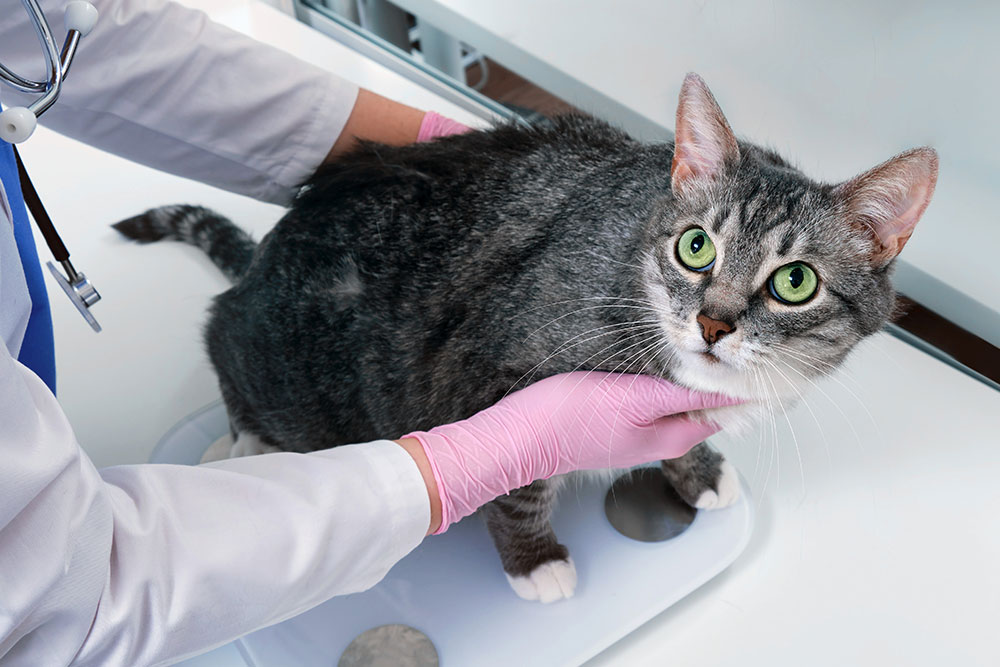
From Ribs to Waistline: How to Evaluate Your Pet’s Body Condition
Many pet owners first think of the number on the scale when they notice changes in their pet’s shape, like ribs getting harder to feel or a less-defined waist. What’s more important is “body condition scoring”- a way to evaluate your pet’s fat and muscle distribution that’s personalized to their individual breed and body shape. At Sixes Animal Hospital at BridgeMill, we use body condition scoring to look beyond the number on the scale. It helps us assess fat coverage, muscle tone, and body contours so we can spot early shifts that may affect comfort, mobility, and long-term wellness. During routine visits, we explain what we’re seeing so you can recognize these signs at home. If you’re unsure whether your pet is at a healthy weight, our wellness and preventative care visits are a great place to start.
We believe in working together to make the best decisions for your pet. Our team offers guidance on nutrition, activity, and medical workups when weight changes don’t have an obvious cause. When a closer look is needed, our diagnostic services help us evaluate underlying concerns quickly and comfortably. If you’d like help assessing your pet’s body condition or creating a plan to reach a healthier weight, you can request an appointment anytime.
What Is Body Condition Scoring and Why It Matters
Body Condition Scoring (BCS) evaluates how fat is distributed and how well muscle is maintained. Two dogs might weigh the same, but one could carry more fat while the other has better muscle tone. That difference matters because excess fat stresses joints and organs, while too little fat or muscle can signal malnutrition or illness.
We use BCS to catch early signs of issues like diabetes mellitus before symptoms worsen. Breed and body type play a role too. A lean Border Collie with visible ribs may be healthy, while a stocky Bulldog with the same look could be underweight. BCS accounts for these differences better than a scale alone.
During wellness exams, we assess body condition as part of preventive care. We help you understand what’s normal for your pet and what changes to watch for over time.
How the Nine-Point Body Condition Scale Works
The nine-point BCS scale ranges from too thin to too heavy. Knowing where your pet falls helps guide feeding and activity.
- Scores 1–3: Underweight
Ribs, hips, and spine are very visible. Pets look sunken and may lack muscle. Even with light pressure, bones are easy to feel. - Scores 4–5: Ideal
Ribs are easy to feel under a thin fat layer. From above, there’s a clear waist behind the ribs. From the side, the belly tucks up. - Scores 6–7: Overweight
Ribs are harder to feel. The waist fades or disappears. Fat may build around the tail base and along the back. - Scores 8–9: Obese
Ribs can’t be felt without firm pressure. No waist is visible, and the belly may sag. Movement can be more difficult.
Not sure where your pet fits? Schedule a visit and we’ll show you what to feel for at home.
Why Weight Affects Long-Term Health
The Risks of Extra Pounds
Excess weight contributes to health problems that reduce quality of life and lifespan. Overweight pets are at higher risk of urinary stones, intervertebral disc disease, arthritis, and systemic hypertension. Extra fat also releases inflammatory substances that strain the heart and joints, and it makes pets more prone to heat stroke and heart disease.
When Being Underweight Is Concerning
Too little fat and muscle can weaken the immune system and make it harder to stay warm or active. Pets may develop pressure sores or struggle with mobility. If you’ve noticed changes in shape or energy, we can help determine whether the cause is dietary, medical, or related to aging.
How to Check Your Pet’s Body Condition at Home
A Simple Guide Between Vet Visits
Use your hands and eyes together. Gently run your fingers along the ribs:
- If ribs feel like your knuckles when you make a fist, your pet may be too thin.
- If ribs feel like the bones in the back of your hand, that’s ideal.
- If ribs feel like your flat palm, there’s likely extra fat.
Then look from above. You should see an hourglass shape with a defined waist behind the ribs. From the side, the belly should tuck up, not hang low.
Thick coats can hide contours, so always confirm with your hands. If you want a quick demo or breed-specific guidance, contact us to schedule a body condition assessment.
Building a Nutrition Plan Around Body Condition
Matching Calories and Nutrients to Needs
Once you know your pet’s BCS, adjust diet and portions to support healthy weight. Determining how much to feed depends on age, activity, and whether your pet needs to lose, gain, or maintain. A pet calorie calculator can help you start, but needs vary.
Balanced nutrition matters. Protein supports muscle, especially in older pets. Fiber helps pets feel full without excess calories. We’ll help you choose foods that meet these needs and fit your budget and your pet’s preferences. Ongoing checks through our wellness plans keep portions on track as needs change.
Strategies for Safe, Sustainable Weight Management
Successful obesity prevention starts with measured portions and consistent schedules. Count treats within the daily calorie budget. Puzzle feeders and slow bowls add mental stimulation and slow eating.
For dogs, weight loss usually involves gradually increasing activity with walks, swimming, and play. Cats need slower loss because rapid changes can trigger hepatic lipidosis. Aim for steady progress when planning weight loss for cats.
Enrichment like training, scent games, and climbing structures for cats helps burn calories and strengthen your bond. Schedule follow-ups to track progress and adjust plans.
Common Myths That Can Do More Harm Than Good
What Pet Owners Often Get Wrong
A chubby pet isn’t a healthier pet. Extra weight shortens lifespan and reduces mobility. Using treats as the main way to show love adds up fast and can crowd out balanced nutrition.
Make sure you use a real measuring cup and measure out your pet’s meals. Eyeballing it often results in adding more than we think. One common mistake is using a drinking glass as a cup measurement- but that’s far too much.
Families often underestimate total food, especially when multiple people offer table scraps or treats. A “small bite” can be a big chunk of daily calories. Try showing affection with play, training, grooming, and attention instead. If habits are hard to shift, we can help through behavior support and wellness and preventative care visits.
Why the Scale Doesn’t Tell the Whole Story
Two pets can weigh the same but have very different body makeup. Muscle is denser than fat, so a well-conditioned pet may weigh more yet look leaner. Breed standards don’t always match what’s healthiest for your individual pet.
Muscle supports joints and balance, especially as pets age. We evaluate body composition during exams to ensure your pet’s weight reflects healthy muscle, not excess fat. If you want a closer look, our diagnostic services can help tailor recommendations.
How Veterinary Guidance Makes Weight Management Easier
When Diagnostics Reveal Hidden Causes
Sometimes weight changes aren’t about food or exercise. Hormonal or metabolic issues can alter appetite and how the body uses nutrients. Our in-house lab lets us run key tests so we can identify medical factors that may be affecting weight before building a plan.
Conditions that can cause unexplained weight gain include Cushing’s disease, which occurs when the body produces too much cortisol, leading to increased appetite and a pot-bellied appearance. Hypothyroidism slows metabolism significantly, causing dogs to gain weight even when eating normal amounts.
On the other end of the spectrum, feline hyperthyroidism speeds up metabolism dramatically, causing older cats to lose weight despite a ravenous appetite. Chronic kidney disease is extremely common in senior cats and leads to gradual weight loss as the body struggles to retain nutrients. Various types of cancer in pets can also cause unexplained weight loss through multiple mechanisms, making any sudden changes worth investigating.
For chronic conditions, we create long-term strategies that support both the disease and body condition. Exercise and diet are tailored to your pet’s abilities, and we monitor progress to keep things safe. If your pet’s weight changes suddenly or doesn’t improve with diet, our sick and emergency care services are available.
Why Regular Monitoring Matters at Every Age
Body condition needs change over a lifetime. Puppies and kittens need careful tracking to grow well without adding extra fat. Adult pets benefit from consistent checks to catch gradual changes early. Seniors often need adjustments as metabolism and activity slow.
We reassess body condition at each wellness visit and update nutrition and activity plans as needed. Progress checks help prevent backsliding and keep your pet moving toward their healthiest weight.
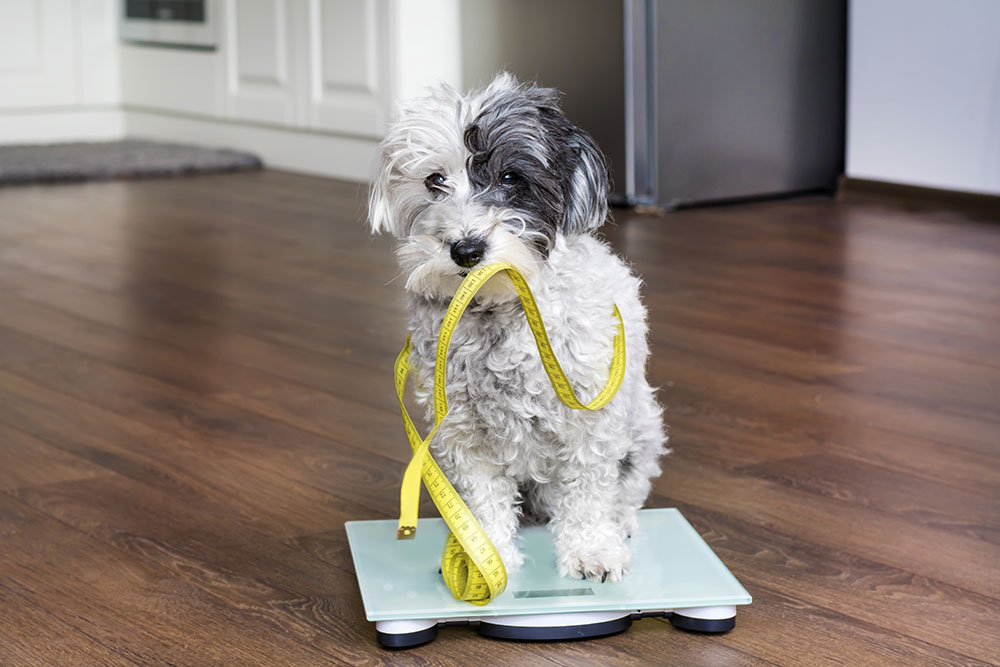
FAQs: Quick Answers for Pet Owners
How often should I check my pet’s body condition at home?
Try once a month. Use your hands to feel the ribs and check the waist from above and the belly tuck from the side.
What’s the ideal BCS for most pets?
A score of 4–5 is typically ideal. Your vet can confirm what’s healthiest for your pet’s breed and age.
Can treats be part of a weight loss plan?
Yes, in moderation. Count treats in the daily calorie total, or swap to low-calorie options (like carrots or green beans) and non-food rewards.
How fast should my pet lose weight?
Slow and steady. Dogs can aim for gradual progress with more activity. Cats should lose weight slowly to avoid health risks.
Taking the Next Step Toward a Healthier Body Condition
Improving your pet’s body condition starts with awareness. Check ribs and waistline regularly, watch for changes in stamina and mobility, and ask for guidance if you see trends that concern you. Early action can prevent disease and protect quality of life.
Professional assessments confirm what you’re seeing and create a plan tailored to your pet. Whether your pet needs to lose weight, build muscle, or maintain their current condition, we’re here to help with compassionate care and proven strategies. Better body condition means more comfortable years together. Ready to get started? Request an appointment or contact us to schedule now. We’ll partner with you every step of the way.

Leave A Comment