
Senior Screening for Dogs and Cats: Why Testing Matters More Than You Think
Your dog still greets you at the door. Your cat still claims the sunny spot on the couch every afternoon. Everything looks normal, and that is exactly the problem. Dogs and cats are remarkably good at hiding discomfort, and many of the conditions that affect senior pets, including kidney disease, thyroid imbalances, heart changes, and high blood pressure, develop gradually and silently long before your pet shows any outward signs. By the time symptoms become obvious, the disease is often more advanced and harder to manage. Senior screening exists to close that gap: catching problems early, when treatment is simpler and outcomes are better.
At Sixes Animal Hospital at BridgeMill, we recommend twice-yearly wellness visits for senior pets, with targeted screening tailored to your pet’s age, breed, and individual health history. Our in-house diagnostic capabilities allow us to run blood panels, urinalysis, thyroid testing, and digital imaging during the same visit, with many results available the same day. We also offer wellness plans that bundle senior screening into an affordable package. If your dog or cat is entering their senior years or if you have noticed any changes in their energy, appetite, weight, or bathroom habits, call us at 770-913-6334 or request an appointment to set up a screening plan.
Why Are Annual Exams Not Enough for Senior Pets?
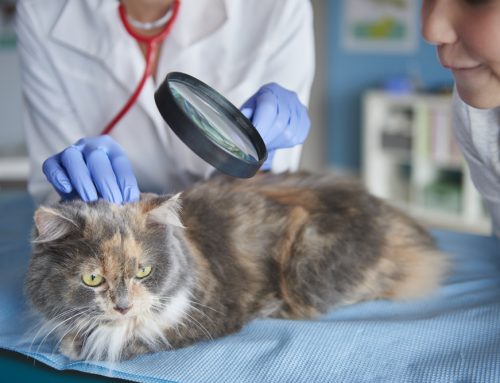
A physical examination reveals what we can see, feel, and hear. But it is incomplete without laboratory data, and that gap is where serious conditions in senior pets hide.
Preventive testing for senior pets consistently identifies serious conditions before any physical sign is detectable. Kidney disease in cats typically cannot be identified on examination until 65 to 75 percent of kidney function is already lost. Thyroid disease in dogs causes gradual coat and weight changes that are easy to attribute to normal aging. Hypertension damages the eyes, kidneys, and brain silently for months before crisis occurs.
Senior pet care recommendations from major veterinary organizations support twice-yearly exams with laboratory screening for dogs and cats seven and older. Trends tracked over multiple years often reveal disease before individual values look abnormal- which is exactly why those repeated visits matter even when each individual result looks fine.
What Does Blood Work Show in Senior Pets?
Blood panels provide an internal snapshot of organ function and blood cell health before symptoms develop. Most results are available the same day at Sixes, which means treatment planning can begin during the same visit.
| Test | What It Measures | What It Can Catch |
| Complete blood count (CBC) | Red cells, white cells, platelets | Anemia, infection, immune disorders, clotting problems |
| Chemistry panel | Kidney, liver, glucose, electrolytes, protein | Kidney disease, liver disease, diabetes, Addison’s disease |
| Thyroid (T4) | Thyroid hormone level | Hypothyroidism in dogs; hyperthyroidism in cats |
| SDMA | Early kidney biomarker | Kidney disease 40% earlier than creatinine |
| Tick-borne disease panel, Heartworm | Antibody/antigen | Lyme disease, Ehrlichia, Anaplasma, Heartworm |
In Cherokee County and the greater north Georgia area, tick-borne diseases including Lyme, Ehrlichia, and Rocky Mountain spotted fever are common year-round concerns worth screening for in senior patients who may be immunocompromised.
The value of establishing a baseline during a healthy year cannot be overstated. A chemistry value within the normal range for a population may still represent a significant change for your individual pet when compared to their personal prior results. This is what makes repeated testing over time so much more informative than a single screening.
Our in-house diagnostics provide same-day results for most panels, allowing treatment planning to begin the same visit.
Why Does Blood Pressure Matter in Senior Pets?
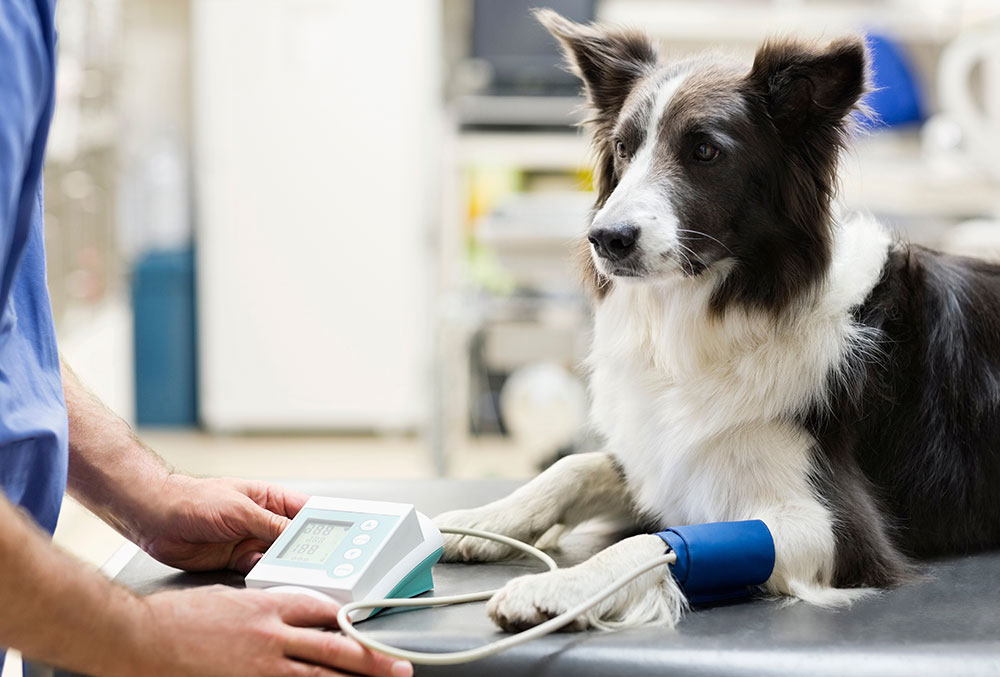
Hypertension in pets is clinically silent until it causes damage. Blood vessels, kidneys, eyes, and the brain are all affected by sustained elevated pressure, and significant function can be lost before any observable sign develops.
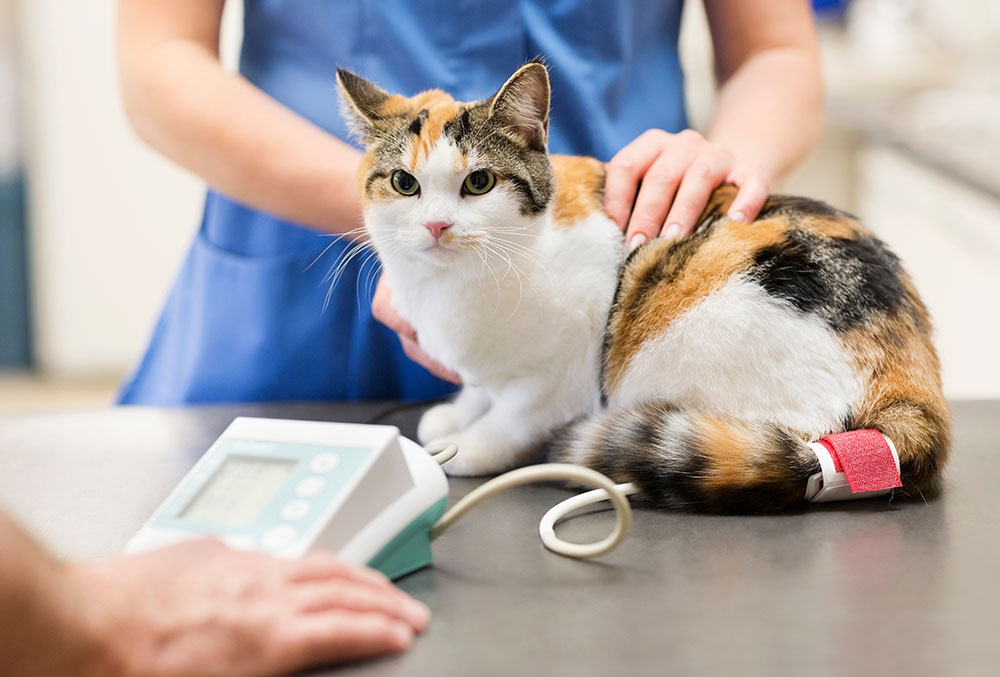
Measurement is fast and non-invasive. A small cuff placed on a limb or the tail base, a brief quiet period, and a series of readings tells us whether pressure is within an acceptable range. Single elevated readings in anxious patients are interpreted cautiously; a consistent pattern over multiple readings is meaningful.
Common causes of hypertension in senior pets:
- Chronic kidney disease (very commonly linked)
- Hyperthyroidism in cats
- Hyperadrenocorticism (Cushing’s disease) in dogs
- Diabetes mellitus
- Primary (idiopathic) hypertension, particularly in older cats
Retinal detachment from uncontrolled hypertension can produce sudden, permanent blindness. A pet presenting with acute vision loss may have had elevated blood pressure driving the damage for months. Annual blood pressure measurement is inexpensive prevention for a devastating and irreversible outcome.
How Does Thyroid Disease Affect Senior Dogs and Cats?
Thyroid disease is one of the most frequently missed conditions in senior pets because its symptoms develop gradually and mimic normal aging. The presentation differs completely between dogs and cats.
Hypothyroidism in Dogs
Hypothyroidism is among the most common endocrine diagnoses in middle-aged to older dogs. Insufficient thyroid hormone slows metabolism throughout the body, causing weight gain, low energy, cold intolerance, and a progressively dull and thinning coat. These changes develop so gradually that it is easy to assume your dog is simply aging normally.
A thyroid panel confirms the diagnosis, and daily levothyroxine supplementation resolves most symptoms. Most dogs show noticeable energy and coat improvement within weeks of starting treatment.
Hyperthyroidism in Cats
Feline hyperthyroidism works in the opposite direction: the thyroid overproduces hormone, accelerating metabolism to a level the body cannot sustain. Older cats with hyperthyroidism eat ravenously but lose weight, become increasingly vocal and restless, and develop a rough, unkempt coat. Multiple effective treatment options exist once the diagnosis is confirmed.
What Do X-Rays and Ultrasound Reveal in Senior Pets?
Imaging finds what examination and bloodwork cannot. Digital radiography at Sixes evaluates heart size and shape, screens for lung fluid accumulation from cardiac disease, and detects masses. Abdominal radiographs assess organ size, bladder changes, and obvious abnormalities.
Abdominal ultrasound provides real-time visualization of organ architecture, lymph nodes, intestinal wall layering, and masses that are not palpable on physical examination. For senior pets at elevated risk for internal tumors, proactive imaging provides earlier detection that meaningfully expands treatment options.
Why Does My Senior Pet Need Cardiac Screening?
Cardiac disease is common in senior pets and frequently progresses without obvious symptoms until it reaches an advanced stage. Layered screening provides early detection that meaningfully expands treatment options.
| Screening Tool | What It Reveals |
| Chest radiograph | Heart size, lung fluid, masses |
| Echocardiogram | Chamber size, valve function, pumping efficiency |
| NT-proBNP blood test | Early cardiac stress marker |
| ECG | Heart rhythm and arrhythmias |
Mitral valve disease is the most common cardiac diagnosis in small-breed dogs, and catching it before heart failure develops significantly extends comfortable survival.
What Other Conditions Does Senior Screening Detect Early?
The conditions below share a common feature: they are significantly more manageable when caught before symptoms develop.
Chronic Kidney Disease
Chronic kidney disease is one of the most common diagnoses in senior cats and increasingly common in older dogs. Because the kidneys have significant reserve capacity, clinical signs rarely appear until 65 to 75 percent of function is already lost. SDMA testing detects decline significantly earlier than creatinine alone, and starting dietary and supportive management at that earlier stage substantially extends comfortable lifespan.
Arthritis
Arthritis affects the majority of dogs and cats over seven. Many pets slow down gradually, and it is easy to attribute this to normal aging rather than pain. A proper assessment distinguishes between the two and opens treatment options.
Joint supplements for cats and dog hip and joint supplements provide daily support for joint comfort. Monthly injectable pain options including Solensia for cats and Librela for dogs block pain signaling at the source for four to eight weeks per dose. Daily NSAIDs (non-steroidal anti-inflammatories) can be added for additional pain relief.
Cognitive Decline
Cognitive dysfunction syndrome in senior pets produces disorientation, disrupted sleep, changed social interactions, and house-training accidents. It is underdiagnosed because the signs are often attributed to normal aging. Senilife and Senior Vitality Pro cognitive chews provide nutritional support for brain health in aging dogs and cats. Omega-3 supplementation supports cognitive health alongside joint and skin benefits; browse our omega-3 options in our pharmacy.
Dental Disease
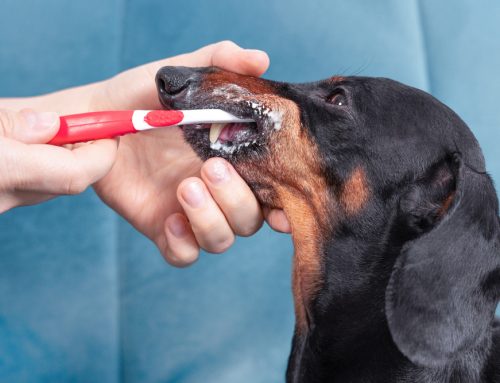
Dental disease in senior pets is not cosmetic. Advanced periodontal infection allows bacteria into the bloodstream, with documented effects on kidney, liver, and cardiac function over years. Our oral health and dental care services include professional cleaning with full-mouth digital radiography.
Cancer
Cancer in pets is among the leading causes of death in dogs and cats over ten, and many forms develop silently for months before producing visible symptoms. Senior screening does not diagnose cancer directly, but it creates the conditions for earlier detection: bloodwork can reveal anemia, elevated protein levels, or organ changes that prompt further investigation, while physical examination finds lumps, lymph node changes, and abdominal masses that might otherwise go unnoticed between visits.
Some of the most common senior cancers, including lymphoma in dogs and cats, splenic masses, and mast cell tumors, are frequently identified during routine wellness exams before a pet shows any behavioral change. The difference between a mass found incidentally at a scheduled visit and one found after a pet stops eating or loses significant weight is often the difference between surgical removal and a much harder conversation.
How Do Wellness Plans Help With Senior Pet Care?
Consistent senior screening is most effective when it happens on a predictable schedule, and cost should not be the barrier that makes visits sporadic. Our wellness plans bundle twice-yearly senior screening into monthly payments, making comprehensive care accessible without a large per-visit cost.
The trend data we build from repeated, scheduled visits over years is far more valuable than sporadic testing when something goes wrong. Wellness plans support that consistency.
Frequently Asked Questions
If my pet seems healthy, why screen?
Appearing healthy is exactly what pets do before disease becomes symptomatic. Early-stage kidney disease, thyroid dysfunction, and hypertension all look and feel normal from the outside. Screening is how we find them before the outside changes.
How often should a senior pet be seen?
Twice yearly for pets seven and older. Annual is the minimum for a senior pet. The faster pace of change in senior pets, combined with the value of trend data, makes every six months the appropriate interval.
What if everything comes back normal?
That is excellent news and valuable data. Normal results confirm your pet is aging well and establish the baseline we compare against at every future visit. Normal panels repeated over years are what let us catch the first time something starts to shift.
At what age is a dog or cat considered senior?
Most dogs and cats are considered senior at seven, though large and giant breed dogs age faster and may be considered senior at five or six. Breed and individual health history both influence when we recommend starting more comprehensive screening.
The Condition We Find Early Is the Condition We Can Treat
Senior pets deserve the same proactive approach to their health as pets at any other life stage. At Sixes Animal Hospital at BridgeMill, we believe great veterinary care is a collaboration, and senior screening is the foundation of that conversation every year.
Request an appointment to schedule a senior screening or discuss your pet’s wellness plan options. Call us at 770-913-6334 or contact us with questions about how to keep your senior pet healthy and comfortable in their golden years.

Leave A Comment