
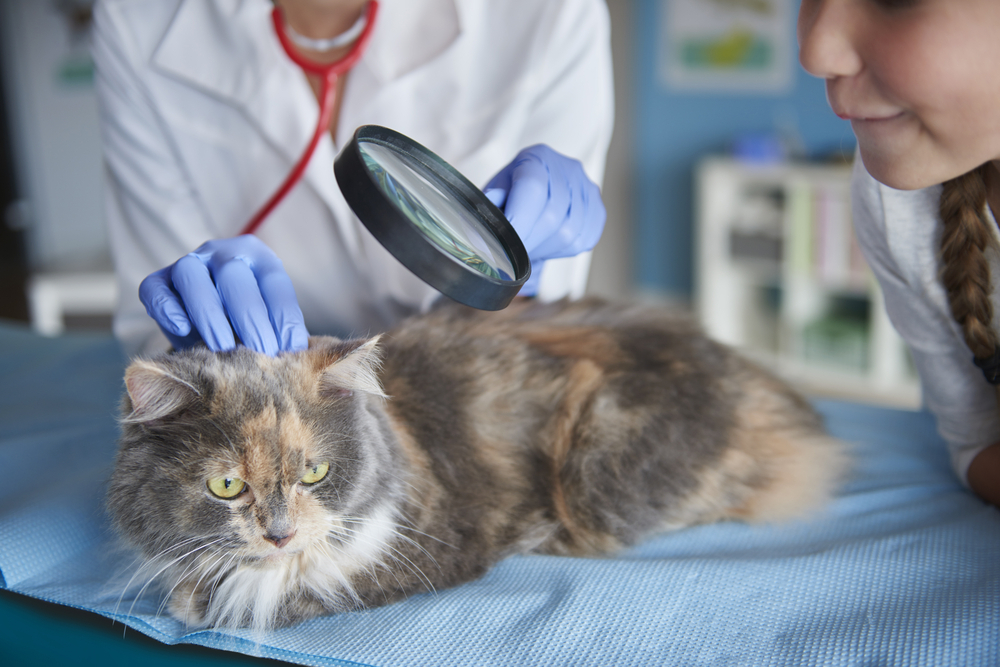
Diagnosing Alopecia in Pets: When to Suspect Endocrine Disease
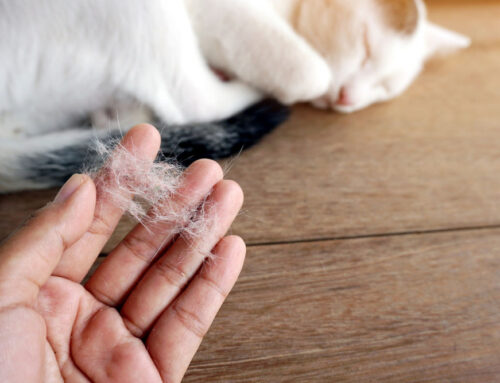
We all love running our hands through the soft coats of our pets. We’re also accustomed to the constant vacuuming that comes with that fur (looking at you Husky owners). When fur starts flying and coats are thinning, it’s hard to know what’s normal. How much shedding is too much? Is a small bald spot a problem?
Hair loss in dogs and cats is one of those symptoms that almost always has a specific, identifiable cause, but finding it requires more than a quick look at the skin. Hormonal conditions like hypothyroidism in dogs or hyperthyroidism in cats can drive significant hair loss with minimal other symptoms, while dermatologic causes like allergies, ringworm, or mites look entirely different under the microscope and call for a different treatment path entirely. There are even genetic causes for certain breeds related to fur color or seasonal changes.
At Sixes Animal Hospital at BridgeMill in Canton, GA, our approach starts with listening. Our team believes in helping owners understand what’s happening with their pet, not just handing over a diagnosis, and our state-of-the-art diagnostic capabilities make it possible to get to the right answer efficiently. Contact us to schedule an evaluation for a pet with unexplained hair loss, so we can get your pet back to their soft and fluffy selves.
Normal Shedding vs. Alopecia: What’s the Difference?
Alopecia is the medical term for hair loss, and it describes a symptom, not a disease. Something underneath is driving the loss, whether it is skin inflammation, an immune system reaction, a hormonal imbalance, or a parasite, and identifying that driver is the actual goal.
Normal shedding looks fairly even across the coat, follows seasonal patterns, and leaves the skin underneath healthy and intact. Alopecia that warrants evaluation looks different:
- Distinct bald patches or areas of significant thinning outside typical shedding periods
- Hair that does not regrow, or regrows with a different texture than before
- Redness, flaking, crusting, or scaling visible on the skin
- Excessive focused scratching, licking, or chewing in specific spots
- Thinning that is spreading or worsening over weeks
Catching these changes early matters. The sooner a cause is identified, the sooner the pet gets relief, and in cases involving hormonal disease, earlier treatment tends to mean fewer secondary complications. Our team screens the skin and coat as part of every wellness exam, making it a natural checkpoint for catching early changes.
Are Allergies Making Your Pet Lose Hair?
Allergies are among the most common reasons pets develop hair loss, and they are also one of the more frustrating because symptoms tend to flare, improve, and flare again without a clear trigger. The mechanism is consistent: the immune system overreacts to something harmless, whether that is a protein in food, pollen in the air, or flea saliva, and the resulting inflammation makes the skin itchy. The scratching, licking, and chewing that follow are what physically damage the hair and create thin or bald areas.
Atopic dermatitis in dogs typically presents as itching and hair loss on the belly, paws, and ears, often with recurrent ear infections as a secondary sign. Cats express allergies differently: many overgroom silently, licking themselves bald in stripes along the belly or inner thighs without any visible scratching that would tip off an owner.
Flea allergy deserves particular mention because it is both common and underestimated. A sensitized pet does not need a heavy flea burden to react; a single bite can trigger days of itching. The classic pattern is hair loss over the rump, tail base, and inner thighs. Georgia’s warm, humid climate supports flea activity for most of the year, and even indoor pets can be exposed through household contact.
Long-term management of allergic hair loss typically involves a combination of approaches:
- Medicated baths
- Omega-3 fatty acid supplementation
- Prescription anti-itch medications
- Elimination diets or formal allergy testing in some cases
Keeping a log of when flares occur often helps identify seasonal patterns or dietary connections. Our pharmacy carries dog skin and coat supplements, Douxo S3 Calm Shampoo, DermAllay Oatmeal Shampoo, DermAllay Oatmeal Spray Conditioner, and Epi-Soothe Shampoo – all great options for helping to soothe irritated skin between veterinary visits. Ask us what we’d recommend for your pet.
What Parasites and Skin Infections Can Cause Hair Loss
Some of the most significant causes of hair loss in pets are microscopic. Mites cannot be seen without magnification, but their effects on the skin are very visible.
Demodex mites live normally in small numbers on most dogs, but when the immune system is compromised, they can overpopulate and cause patchy hair loss, usually starting on the face and paws. Young dogs and those on immunosuppressive medications are most vulnerable. Sarcoptic mange is a different mite entirely, causing intense itching, crusting, and hair loss primarily on the ears, elbows, and belly, and it is contagious to people and other pets.
Bacterial and yeast infections are often secondary to other causes but can drive significant hair loss on their own once established. When skin is inflamed from allergies or another irritant, normal surface organisms take advantage and overgrow, creating a cycle of itch, self-trauma, and thinning that is difficult to break without treating both the infection and the underlying trigger.
Ringworm is a fungal infection despite its name, creating circular bald patches with scaly edges that can appear anywhere on the body. It is contagious to other pets and to people, and it requires antifungal treatment rather than the antibiotics appropriate for bacterial infections.
Year-round parasite prevention eliminates flea bites from the equation and significantly reduces the risk of mange and mite exposure. For dogs and cats in the Canton area, year-round flea and tick control is the standard, not a seasonal precaution. Our pharmacy carries dog flea and tick products and cat flea and tick products to support consistent prevention.
When Hormones Are Driving Hair Loss
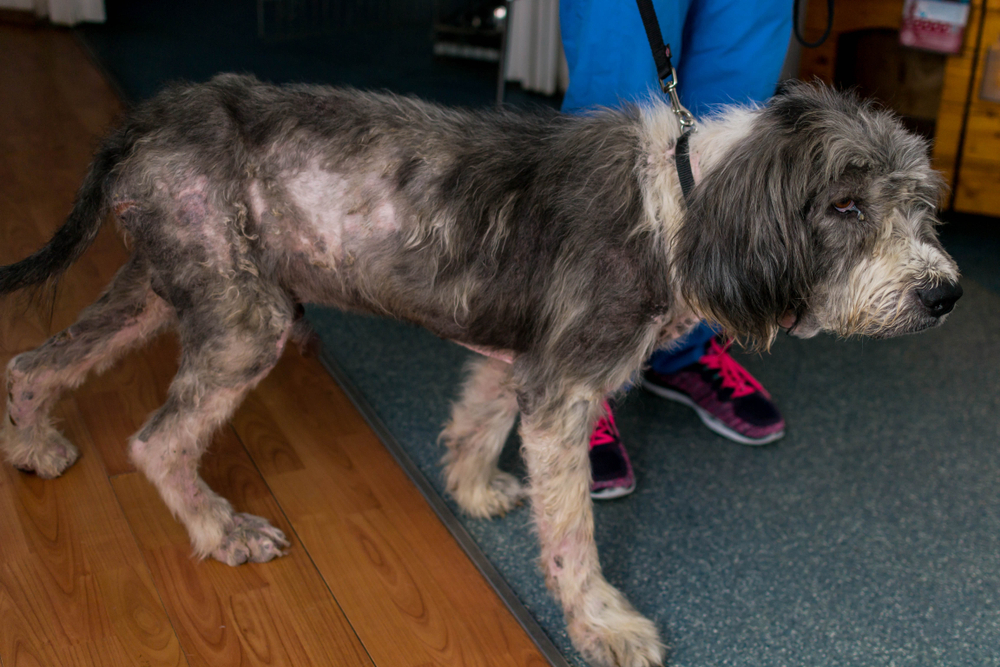
Hormonal hair loss has a distinctive pattern that helps separate it from other causes. When thinning appears symmetrically on both sides of the body, along the trunk, or at the tail base, without significant itching, the endocrine system is usually involved.
What Thyroid, Adrenal, and Other Glandular Conditions Do
Hypothyroidism is one of the most common hormonal conditions in middle-aged dogs. Insufficient thyroid hormone slows the metabolism and affects every body system, including the coat. Affected dogs often gain weight, seem tired, prefer warmth, and develop a dull, thinning coat that sheds excessively. Hair loss typically affects the trunk and tail, and the skin may become thickened or darkened over time. Treatment is daily thyroid supplementation with regular bloodwork monitoring to adjust dosing.
Cushing’s disease involves excess cortisol production, most often from a benign tumor on the pituitary or adrenal gland. The clinical picture is quite different from hypothyroidism: a pot-bellied appearance, increased drinking and urination, excessive panting, fragile skin, and symmetrical hair loss along the sides are the hallmarks.
Cats develop hyperthyroidism rather than hypothyroidism, and the coat changes are different again: patchy, unkempt coat alongside weight loss despite a good appetite, increased vocalization, and elevated activity level. Bloodwork catches these changes.
Can Sex Hormones and Topical Exposure Cause Hair Loss?
Intact male dogs with testicular tumors can produce excess estrogen, causing symmetrical hair loss that looks nearly identical to adrenal or thyroid disease. Intact females can experience similar coat changes from ovarian cysts or hormonal fluctuations during false pregnancies. Spaying or neutering resolves these cases once the abnormal hormone source is removed.
There is also a less obvious but worth-knowing cause: topical hormone creams or gels used by owners, such as estrogen or testosterone preparations, can be absorbed by pets through skin contact or licking of application sites, producing hormonal hair loss in a pet who has no underlying disease. Covering application sites and washing hands before handling pets prevents this.
Why Blood Work Matters for Coat Health
Blood work often identifies hormonal shifts before they become obvious on physical exam. A thyroid level trending downward, an elevated cortisol, or early adrenal changes can appear in bloodwork while the coat still looks mostly normal, giving the team a head start on treatment. This is part of why the annual wellness bloodwork that Sixes includes in our wellness plans is such a useful tool, not just for tracking organ health, but for catching the hormonal shifts that lead to secondary coat problems.
What Breed-Related Coat Conditions Cause Hair Loss
Some dogs inherit coat conditions that are not caused by parasites, infections, or hormones. They are genetic, they cannot be cured, but they can be managed well with proper support.
Color dilution alopecia affects dogs with diluted coat colors, including fawn and blue Dobermans, Weimaraners, and Italian Greyhounds. The dilute pigment gene disrupts hair shaft formation, leading to breakage and gradual thinning, usually beginning between one and three years of age.
Flank alopecia is a seasonal pattern of hair loss on the sides of the body, more common in certain breeds like Boxers, Bulldogs, and Airedales. It tends to appear in late fall or winter and regrow in spring, sometimes darkening the skin in affected areas.
Sebaceous adenitis destroys the oil-producing glands in the skin, leading to scaling, dull coat, and patchy hair loss, most commonly in Standard Poodles. In all these cases, ruling out treatable causes first is essential before settling on a genetic explanation, and our team approaches each case systematically so that nothing is missed.
How Stress, Pain, and Grooming Connection Cause Hair Loss
Not all hair loss comes from the skin itself. Pets, especially cats, frequently express anxiety or physical discomfort through repetitive grooming, and the hair loss that results can be indistinguishable on the surface from a dermatologic condition.
Psychogenic alopecia in cats involves excessive grooming driven by emotional distress, not physical disease. The characteristic feature is smooth, thinned hair over the belly, inner thighs, and lower legs with skin that looks completely normal underneath. Feline life stressors that commonly trigger this behavior include a new pet in the household, moving, changes in the owner’s schedule, or unresolved conflict between cats in a multi-cat household.
Dogs express similar patterns through lick granulomas, areas of obsessive repetitive licking that create a firm, raised, hairless lesion over a joint or lower limb. These often have both a behavioral and a pain component.
Pain is a particularly underappreciated driver of focused overgrooming. Feline idiopathic cystitis causes bladder discomfort, and cats with this condition frequently lick the lower belly bald. Dogs with osteoarthritis often fixate on a sore joint, licking persistently until the hair thins. Because stressed and painful grooming look the same on the outside, diagnostics are what distinguish them.
How Nutrition Affects the Coat
The skin and coat are metabolically demanding tissues. Hair growth requires adequate protein, essential fatty acids, zinc, and biotin, and when the diet comes up short in any of these areas, the coat is typically the first place to show it. This is one reason our team asks about diet as part of every skin evaluation.
Overbathing or using harsh shampoos strips natural oils from the coat and skin, making hair more fragile and prone to breakage. Bathing frequency should match the individual pet’s needs, not a fixed schedule, and products should be formulated for veterinary use.
Regular grooming serves more than aesthetic purposes. Brushing improves skin circulation, removes debris and loose hair before it can mat, and distributes natural oils along the coat shaft. For pets with nutritional or coat-related conditions, a consistent grooming routine is a meaningful part of management.
What to Expect During a Hair Loss Workup
Walking into a diagnostic appointment without knowing what to expect can feel overwhelming, so here is what the process typically looks like at Sixes Animal Hospital.
The visit starts with a detailed history: when the hair loss began, whether the pet seems itchy, any changes in the household or diet, recent medications, and how symptoms have changed over time. A complete physical exam follows, with attention to the pattern and distribution of hair loss, the texture and condition of remaining coat, signs of skin infection, and whether hair loss is on one side, both sides, or patchy.
In-house testing often includes the following:
- Skin scrapings to look for mites under the microscope
- Cytology of any debris or discharge to identify bacteria or yeast
- Trichography (microscopic exam of hair shafts) to look for structural abnormalities
- Fungal cultures to diagnose ringworm, taking seven to fourteen days to complete
When hormonal disease is suspected, the workup expands to include thyroid testing, cortisol levels, or a full endocrine panel.
For suspected food allergy, elimination diets involving eight to twelve weeks of a single novel or hydrolyzed protein with zero exceptions are the diagnostic gold standard. Environmental allergy testing is available through referral when indicated.
Sixes has in-house lab equipment for rapid results on many tests, with Idexx reference lab services available for more specialized panels, most returning within 24 hours.
How Is Hair Loss Treated?
Treatment is always matched to the specific cause identified through workup. There is no universal fix for alopecia, which is exactly why the diagnostic process matters.
- Allergies: anti-itch medications (Apoquel, Cytopoint), prescription diet trials, medicated shampoos, omega-3 supplementation, and in appropriate cases immunotherapy
- Parasites and mange: targeted prescription antiparasitic treatments, environmental cleaning for flea infestations, and continuation of year-round prevention
- Bacterial or yeast infections: antibiotics or antifungals guided by cytology, with treatment of the underlying cause to prevent recurrence
- Hypothyroidism: daily thyroid supplementation with regular bloodwork monitoring; coat typically begins improving within two to three months
- Cushing’s disease: medication to control cortisol production, with regular monitoring labs; management is long-term
- Stress or pain-driven grooming: address the underlying trigger (environmental modification for anxiety, pain management for orthopedic or bladder issues), sometimes with behavioral support
- Nutritional deficiencies: dietary changes, omega-3 supplementation, improved grooming practices
Frequently Asked Questions About Pet Hair Loss
Can my pet’s hair loss spread to me or my family?
Most causes are not contagious. The exceptions are ringworm, a fungal infection contagious to people and other pets, and sarcoptic mange, which causes temporary intense itching in humans. Both respond well to treatment, and prompt veterinary care combined with good handwashing protects the household.
When should I be concerned about hair loss versus normal shedding?
Seek evaluation for actual bald patches, excessive focused scratching or licking, redness or scaly skin, spreading or worsening loss, or any accompanying changes in thirst, weight, or energy level.
Getting Back to a Healthy Coat
Most cases of hair loss have a clear cause, and most respond well to treatment once that cause is identified. Whether the issue is allergies that flare every spring, a hormonal imbalance that needs blood monitoring, or a parasite that requires targeted elimination, the path forward is the same: thorough evaluation, accurate diagnosis, and a treatment plan built around the individual pet.
At Sixes Animal Hospital at BridgeMill, that means our team listens, our diagnostics get answers quickly, and we offer a collaborative approach to care where the goal is always to help owners understand what is happening and what to do about it. Request an appointment to get started, or contact us with any questions about a pet’s coat.


Leave A Comment