
Understanding Thyroid Disease in Pets: Too Fast or Too Slow?
Your dog is sleeping all the time, gaining weight despite eating normally, and seems to have less energy for walks. Or perhaps your cat is suddenly ravenously hungry but getting thinner, restless at night, and constantly seeking attention. These subtle changes can be alarming, making you wonder what’s happening with your animal. Often, these shifts in behavior and body condition are tied to metabolism changes caused by thyroid disorders.
At Sixes Animal Hospital at BridgeMill, we help pet owners navigate these complex conditions through comprehensive wellness and preventive care, sick and emergency care, and advanced diagnostic testing. With early detection and personalized treatment, thyroid disease can be effectively managed, helping pets return to balanced energy and vibrant health.
What Pet Owners Should Know About Thyroid Disease
The thyroid gland, a small butterfly-shaped organ located in the neck, plays a powerful role in your pet’s body. It regulates metabolism, temperature, heart rate, and even skin and coat quality. When thyroid hormone levels fall out of balance, these systems can shift dramatically.
Dogs most often experience hypothyroidism, where the thyroid slows down, while cats are typically affected by hyperthyroidism, an overproduction of thyroid hormones. Both conditions are most common in middle-aged to senior pets and can progress quietly before noticeable signs appear.
Regular screening during wellness visits is key. Our in-house lab and diagnostic services allow us to measure thyroid hormone levels quickly and tailor treatments to each pet’s needs.
Causes and Risk Factors of Thyroid Disease
Hypothyroidism in Dogs
Canine hypothyroidism is often caused by immune-mediated thyroiditis or tissue atrophy that gradually destroys hormone-producing cells. Larger breeds such as Golden Retrievers, Boxers, and Doberman Pinschers are more prone, though any dog can be affected.
Typically diagnosed between ages four and ten, hypothyroidism leads to a slower metabolism that can result in fatigue, cold intolerance, and weight gain. Because early symptoms overlap with other conditions, regular bloodwork and wellness exams help detect thyroid changes before more severe complications occur.
Hyperthyroidism in Cats
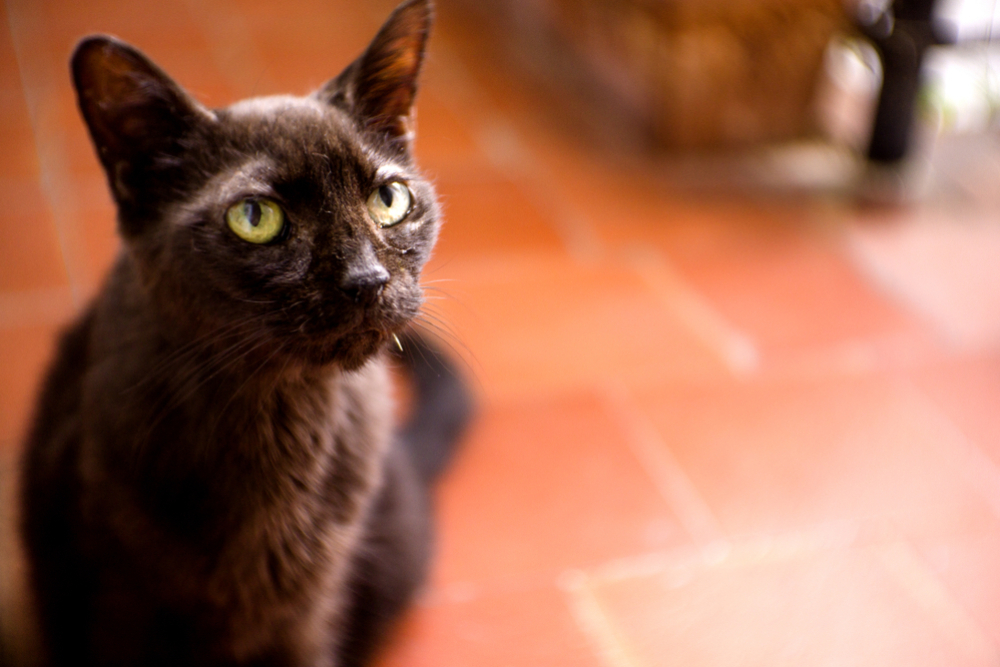
In contrast, feline hyperthyroidism arises from overactive thyroid tissue, usually due to a benign adenoma. This disorder commonly affects cats over the age of ten and can accelerate metabolism dramatically. Affected cats may eat constantly, lose weight quickly, and seem unusually restless or vocal.
Environmental and dietary influences, such as iodine content in food or certain household exposures, may play a role in disease development. Untreated, hyperthyroidism can damage the heart and kidneys, and cause high blood pressure. Early detection and nutrition guidance from our veterinary team help support long-term management and improve comfort.
Preventive testing for senior pets is especially valuable, as many thyroid conditions develop gradually and can be caught early. A simple blood test can identify early hormonal shifts, allowing for intervention before permanent organ damage occurs. Our team at Sixes Animal Hospital at BridgeMill includes routine thyroid screening as part of senior wellness plans for both dogs and cats.
Recognizing Thyroid Disease Symptoms
Signs of Hypothyroidism in Dogs
Dogs with hypothyroidism often show subtle but progressive signs. Common symptoms include:
- Persistent lethargy
- Unexplained weight gain
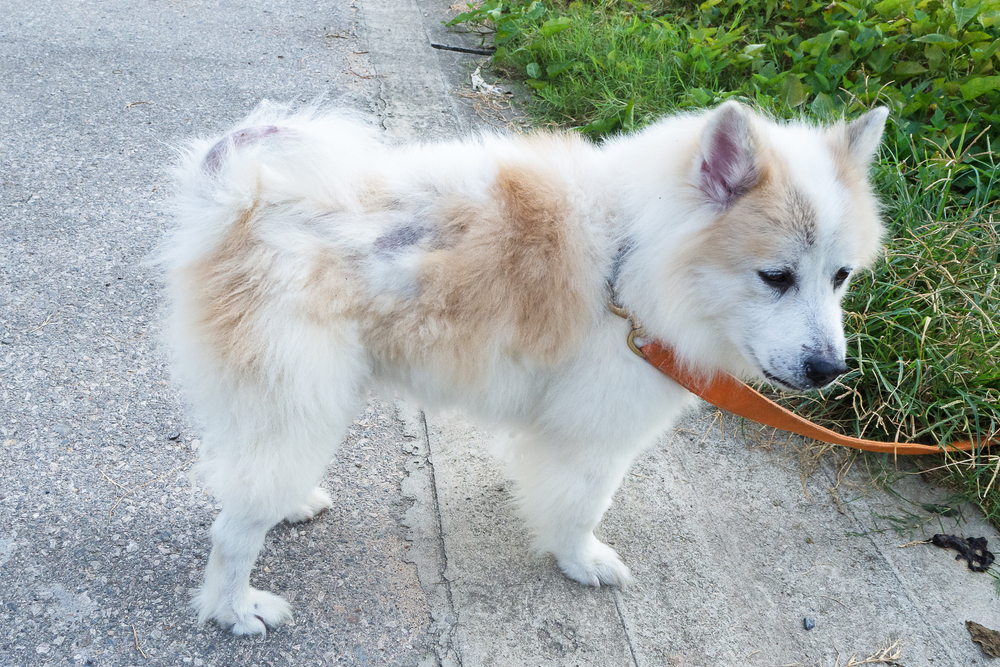
- Hair thinning or patchy coat
- Dry, flaky skin
- Cold sensitivity
- Behavioral changes such as irritability or depression
If you notice your dog slowing down or their coat losing luster, schedule a visit for evaluation. Our diagnostic services are designed to uncover underlying issues and rule out other metabolic conditions that mimic thyroid disease.
Signs of Hyperthyroidism in Cats
Hyperthyroid cats often exhibit the opposite symptoms, including:
- Noticeable weight loss despite increased appetite
- Rapid heart rate or irregular pulse
- Vomiting, diarrhea, or increased thirst
- Restlessness or nighttime vocalization
- Palpable swelling in the neck
- Personality or behavior changes in older cats
Because these changes can appear gradually, owners should report even minor appetite or activity shifts. Our veterinary team can perform targeted exams to identify thyroid enlargement and measure hormone levels accurately.
How Veterinarians Diagnose Thyroid Disease
A complete diagnostic workup begins with a physical exam, including palpation of the neck and assessment of heart rate, coat, and body condition. Blood tests measure circulating thyroid hormones (T4, Free T4) and thyroid-stimulating hormone (TSH).
When results are borderline or conflicting, further testing- such as antibody screening or imaging- helps confirm the diagnosis. Our in-house laboratory ensures same-day results for most cases, allowing us to begin treatment promptly through our sick and emergency care services when needed.
Treatment Options for Thyroid Disease
Managing Hypothyroidism in Dogs
Treatment focuses on hormone replacement with levothyroxine, given daily in tablet form. Regular monitoring ensures the dose remains optimal as metabolism stabilizes. Most dogs show improvement in energy, coat quality, and weight within weeks of starting therapy.
Our veterinarians create individualized plans that include rechecks, nutrition guidance, and long-term monitoring for ongoing balance.
Managing Hyperthyroidism in Cats
Options for feline thyroid treatment include medication (methimazole), surgery, radioactive iodine therapy, and specialized nutrition. The right approach depends on your cat’s health and lifestyle. Ongoing hyperthyroidism management ensures stable hormone levels and protects kidney and heart function.
Our team will help you explore each option and guide you through medication schedules, diet adjustments, and recheck timelines to maintain your cat’s comfort and safety.
Complications of Untreated Thyroid Disease
When thyroid conditions go undiagnosed or untreated, they can lead to serious secondary health problems that affect multiple organ systems. Understanding these potential complications underscores the importance of early detection and consistent management.
Complications of Hypothyroidism in Dogs
Untreated hypothyroidism can progress beyond fatigue and weight gain to more severe conditions. Obesity becomes increasingly difficult to manage as metabolism slows, creating a cycle that strains joints and worsens mobility issues. In rare but critical cases, dogs may develop myxedema, a life-threatening condition where severe hypothyroidism causes fluid accumulation, mental dullness, and even coma. This medical emergency requires immediate veterinary intervention.
Additionally, chronic hypothyroidism can contribute to heart abnormalities, neurological dysfunction, and reproductive issues. Regular monitoring through our wellness plans helps prevent these complications by maintaining optimal hormone levels.
Complications of Hyperthyroidism in Cats
Hyperthyroid cats face significant risks to their cardiovascular and renal systems when left untreated. The constant metabolic overdrive places tremendous strain on the heart, potentially leading to heart disease including hypertrophic cardiomyopathy and congestive heart failure. High blood pressure is another common consequence, which can cause hypertensive retinopathy– sudden blindness from retinal damage- or bleeding within the eyes.
Kidney function often deteriorates as well, though this can be complicated by the fact that hyperthyroidism may mask underlying kidney disease. When thyroid levels are corrected, kidney issues sometimes become apparent, which is why our veterinarians carefully monitor both systems during treatment.
These complications make early intervention essential. Through comprehensive diagnostic services and personalized treatment plans, we work to protect your pet’s long-term health and prevent irreversible organ damage.
Preparing for Your Pet’s Thyroid Appointment
Before visiting us, gather information on your pet’s medications, supplements, diet, and recent behavior changes. Bring any previous lab results if your pet has been treated elsewhere. This helps our doctors design a more complete care plan tailored to your pet’s condition, and track trends for thyroid hormone levels on bloodwork.
If you’re concerned your pet may be showing signs of thyroid disease, request an appointment or contact us to discuss your observations. Our friendly team will walk you through next steps and testing options.
Proactive Thyroid Health with Sixes Animal Hospital
Thyroid conditions can be challenging to identify, but with expert care and attentive monitoring, most pets regain balance and thrive. Whether your dog is slowing down or your cat seems unusually restless, early testing makes all the difference.
At Sixes Animal Hospital at BridgeMill, we’re here to support you with advanced diagnostics, transparent communication, and individualized care. Schedule a visit today to discuss your concerns and take the first step toward restoring your pet’s energy and health.

Leave A Comment