
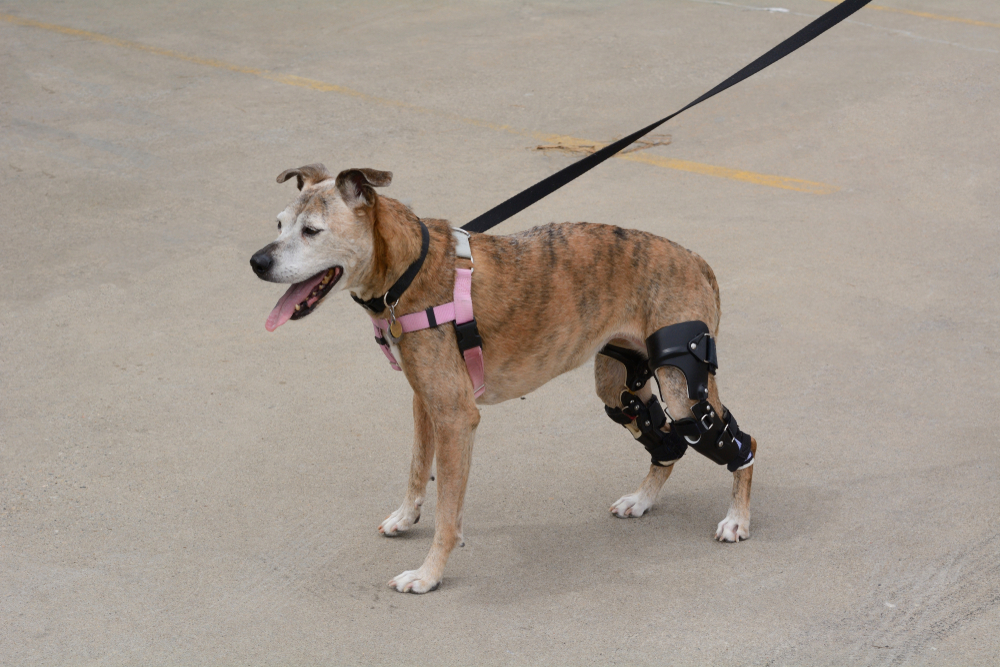
For most medium, large, and giant-breed dogs, a torn cranial cruciate ligament does need surgery to return the knee to stable, comfortable function, because the joint cannot restabilize on its own once the ligament fails. The more useful question is usually not whether to operate but which procedure fits your dog, since the main surgeries work in genuinely different ways and suit different dogs. Smaller and less active dogs sometimes do reasonably well without surgery, but for an active 60-pound dog, rest and medication alone tend to leave a painful, increasingly arthritic joint.
Sixes Animal Hospital at Bridgemill helps families work through that decision with a clear-eyed look at the options rather than a one-size answer. Our in-house diagnostics confirm the injury and assess the joint before any plan is made, and when surgery is the right path, a board-certified veterinary surgeon performs TPLO procedures at our hospital, so your dog gets specialist-level orthopedic care without leaving a familiar setting. If your dog is limping or has already been diagnosed with a CCL tear, contact us and we will talk through what makes sense for your dog.
CCL Surgery: The Essentials
- Most medium and larger dogs need surgery, because the knee does not restabilize on its own after a CCL tear.
- The two main procedures, TPLO and extracapsular repair, work differently and suit different dogs.
- Size, age, and activity level drive the choice of procedure more than anything else.
- Surgery slows arthritis and restores function far better than rest alone for most active dogs.
Does a Torn CCL Really Need Surgery?
In a torn CCL, the ligament that keeps the shin bone from sliding forward against the thigh bone has failed, so the joint moves abnormally with every step. That instability is mechanical, not something rest or anti-inflammatories can repair, and each unstable step grinds cartilage and drives arthritis forward. For most medium, large, and giant dogs, surgery is the only thing that reliably restores stable function.
There are exceptions. Very small dogs under about 20 pounds sometimes stabilize acceptably with strict rest and rehabilitation, and dogs who cannot safely undergo anesthesia may have to manage conservatively. For the typical active dog, though, cruciate ligament injury that goes unrepaired means a joint that stays unstable and painful and arthritic for life.
What Are the Surgical Options for a Torn CCL?
Two procedures handle the large majority of cases, and they take different routes to the same goal of a stable knee. One reshapes the bone so the torn ligament is no longer needed; the other places an artificial support outside the joint to do the ligament’s old job.
| Feature | TPLO | Extracapsular repair (lateral suture) |
| How it works | Reshapes the tibial plateau so the CCL is no longer needed | A heavy suture outside the joint takes over the ligament’s role |
| Best suited to | Medium, large, and giant or active dogs | Smaller, less active dogs, often under about 30 pounds |
| Bone involved | Yes, a precise cut and repositioning of bone | No bone cut; a soft-tissue repair |
| Typical recovery | Strong, durable return to function | Good for light dogs, less reliable for heavy or active ones |
A third option, tibial tuberosity advancement (TTA), works on a similar bone-geometry principle to TPLO and suits certain dogs. TPLO is the most common choice for medium and larger dogs and consistently produces excellent outcomes, and we offer it on-site through a visiting board-certified veterinary surgeon who performs these procedures at our hospital. That means your dog gets specialist-level orthopedic surgery without the stress of being transferred to an unfamiliar facility, with our team handling the workup, anesthesia support, post-operative care, and rechecks. The repair is performed in our own surgery suite, with anesthesia and monitoring done by our team.
How Do You Choose Between TPLO and Extracapsular Repair?
The choice comes down mostly to your dog’s size, age, and activity level, not to one procedure being universally better. A large, athletic dog places forces on the knee that a soft-tissue suture cannot reliably withstand over time, which is why TPLO is favored for those dogs. A small, calm companion may do beautifully with an extracapsular repair, avoiding a bone cut and at a lower cost.
Other factors weigh in too: existing arthritis, the steepness of the tibial plateau, whether the meniscus is also damaged, and your dog’s overall health and anesthetic risk. We walk through all of it for your specific dog rather than defaulting to a single answer, because the goal is the procedure that gives this dog the best long-term function. Whichever is the right option, it can be done right here at Sixes Animal Hospital at Bridgemill.
How Is a Torn CCL Diagnosed Before Surgery?
Diagnosis pairs a hands-on exam with imaging. After watching how your dog moves, sedation is normally given so that we can examine the knee without pain and obtain x-rays without your dog moving. On exam, the key finding is abnormal forward movement of the shin bone, the cranial drawer sign, which confirms the joint is unstable. X-rays then assess the bone, show how much arthritis has formed, and help with surgical planning, while MRI is reserved for complex cases through specialty referral. X-rays also help rule out other causes of a limp, like fractures or bone cancers. If your dog has a new or intermittent limp, that exam is the place to start. Our in-house diagnostics allow us to perform the imaging and bloodwork needed to diagnose the injury and prepare your dog for surgery.
What About a Meniscus Tear?
The meniscus is a pad of cartilage that cushions the knee, and it is frequently damaged alongside a torn CCL, either at the moment of injury or later as the unstable joint grinds on it. A meniscal tear adds pain and often a distinctive clicking, and it changes the surgical plan, because the surgeon needs to inspect and address the meniscus during the CCL repair. This is one more reason the longer a tear goes untreated, the more complicated surgery becomes, since ongoing instability raises the odds of meniscal damage. When we plan surgery, evaluating the meniscus is part of the picture, and treating it at the same time spares your dog a second procedure down the road.
What Does Recovery From CCL Surgery Look Like?
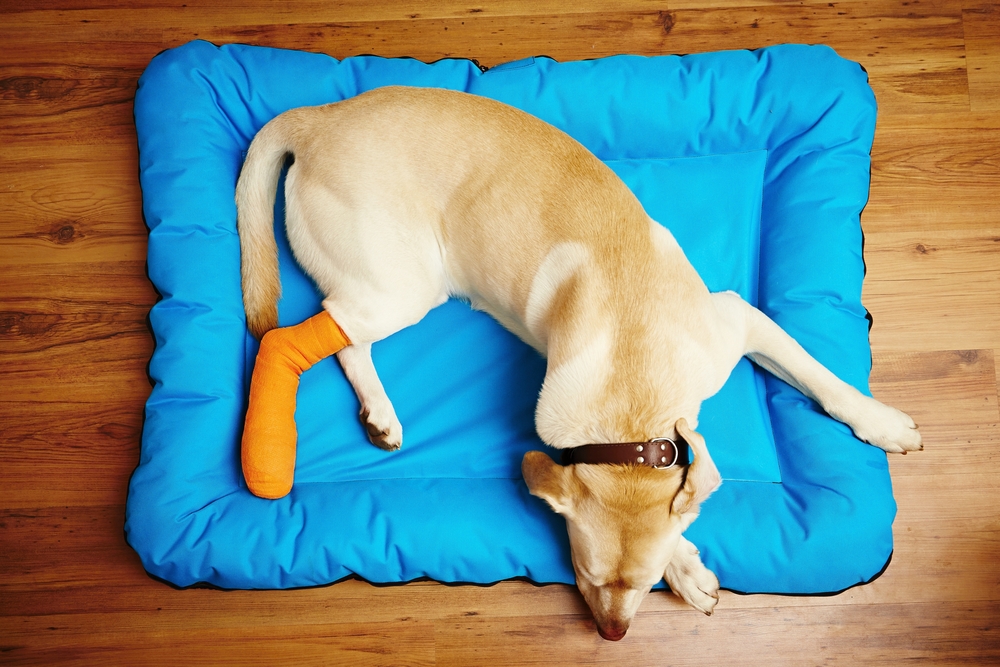
Recovery is a staged, weeks-long process, and following it closely matters as much as the surgery itself. The first couple of weeks are strict rest with leash-only bathroom breaks, followed by gradually lengthening controlled leash walks, with most dogs returning to controlled activity around the three-month mark. Structured rehabilitation speeds healing and improves the final result when it is available. The hardest part for many families is crate rest, so plan ahead with mental enrichment and a calm setup to help a restless dog settle. Because TPLO and the recovery rechecks all happen right in our hospital, your dog avoids the back-and-forth of having surgery at one hospital and follow-up at another.
What Happens If You Skip Surgery?
For a dog who is a surgical candidate, skipping surgery rarely means avoiding the problem; it usually means a slower slide into a worse one. The joint stays unstable, arthritis advances, the joint capsule thickens and stiffens, and the meniscus often tears as a secondary injury, each step adding pain. The opposite knee then bears extra load, and roughly 40 to 60 percent of dogs who tear one CCL tear the other within one to two years. Conservative management has a real place for the small or anesthetically fragile dog, but for most active dogs it trades a defined recovery now for chronic pain later.
Frequently Asked Questions About CCL Surgery
How Long After Surgery Before My Dog Walks Normally?
Most dogs bear some weight on the leg within days and walk comfortably within four to six weeks, with full return to pre-injury function usually taking four to six months. The progress is steady rather than fast, and we check it at scheduled rechecks to keep recovery on track.
Will My Dog Get Arthritis Even With Surgery?
Usually some arthritis is already present by surgery, because the joint was unstable before diagnosis. Surgery dramatically slows the progression compared with leaving the tear untreated, but it does not erase damage already done. Most surgically treated dogs do well for years, and some need ongoing joint support as they age.
Why Does Sixes Offer TPLO On-Site Instead of Referring Out?
We bring a board-certified veterinary surgeon to our hospital to perform TPLO procedures rather than referring families to an outside facility. This means your dog has surgery in the same place they see their regular veterinary team, with the same staff handling pre-operative workup, anesthesia, post-operative care, and recheck visits. For families, it removes the logistical burden of coordinating with a separate surgical practice; for dogs, it removes the stress of an unfamiliar facility on an already stressful day.
Can My Dog Tear the Other CCL?
It is a real risk. Roughly 40 to 60 percent of dogs who tear one CCL go on to tear the opposite knee within one to two years, partly because that leg has been carrying extra weight. Keeping your dog lean, conditioning steadily, and avoiding weekend-warrior activity bursts all lower the odds, and we keep an eye on the other knee at rechecks.
Is the Cheaper Surgery the Wrong Choice?
Not necessarily. Extracapsular repair costs less and is an excellent fit for the right dog, typically a smaller, calmer one. For a large, active dog, though, the lower up-front cost can mean a higher chance of an imperfect long-term result, so the better value is the procedure matched to the dog rather than the one with the smaller invoice. We are glad to talk through the trade-offs honestly.
Can My Dog Have Surgery on Both Knees at Once?
In most cases we stage the two repairs rather than doing them together, because a dog needs at least one sound hind leg to stand and recover on. If the second CCL tears later, which is common, we plan that surgery once the first knee is strong. For the rare dog who tears both at the same time, the surgical team weighs whether a staged or simultaneous approach is safer for that individual.
Choosing the Right Path for Your Dog’s Knee
Whether a torn CCL needs surgery, and which procedure fits, comes down to your individual dog: their size, age, activity, and the state of the joint. For most active dogs the answer is surgery, and the more important conversation is matching the right technique to the dog so the result lasts. Long-term joint care, including weight control, appropriate exercise, and joint support, protects both knees for years.
Our wellness and preventive care build that maintenance into regular visits, and our emergency and urgent care availability means your dog can often be seen same-day if a limp does develop.
If your dog is limping or facing a CCL decision, request an appointment or contact us and we will help you choose the path that fits your dog.

Leave A Comment